
AI & Digital Health
The Digital Frontier: How AI and Telemedicine are Rewriting Rural Healthcare in Africa
For decades, rural Africa's healthcare was limited by distance and scarce specialists. Now AI and connectivity are turning that story inside out.
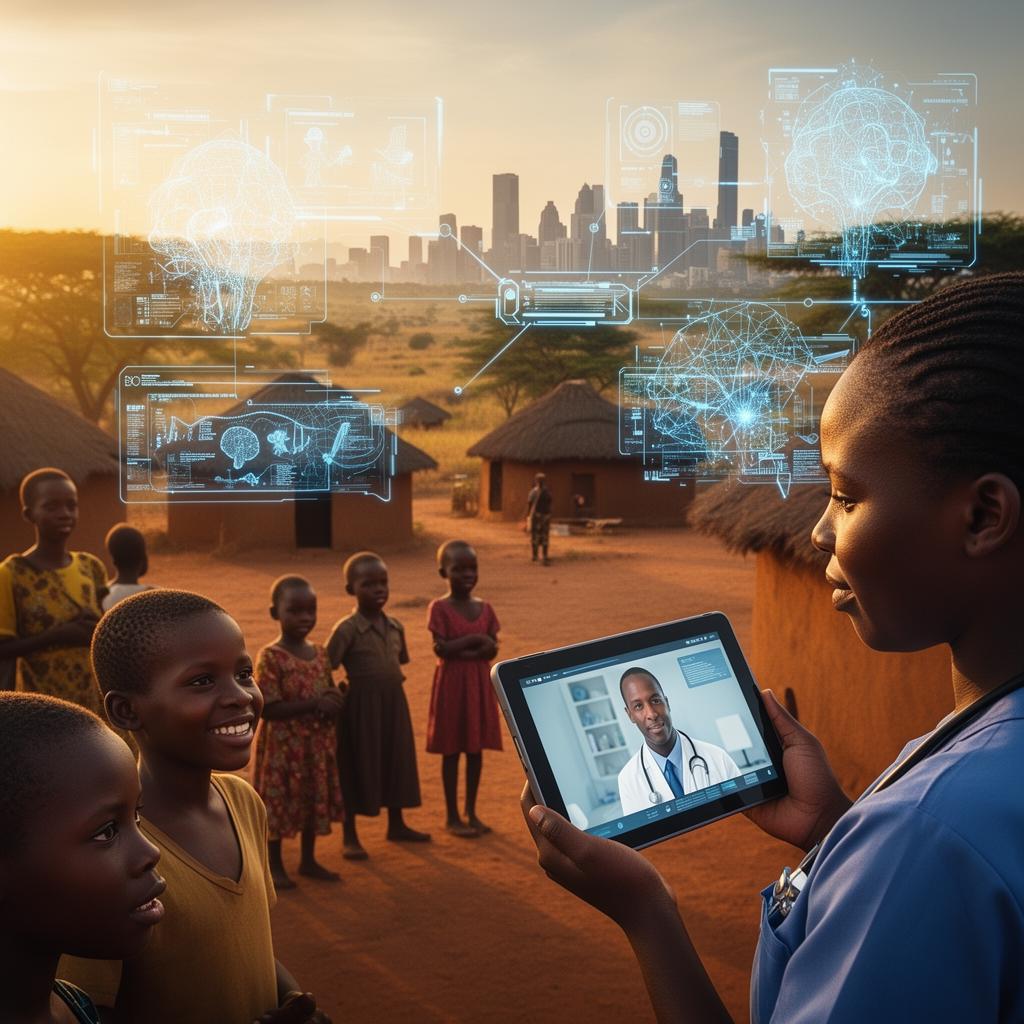
For decades, healthcare in rural Africa has been defined by physical limits: the distance to the nearest clinic, the shortage of trained specialists, and the struggle of getting patients to city hospitals. For millions, 'access' has meant travelling for hours — sometimes days — only to join long queues at overcrowded facilities.
But what if the answer to Africa's specialist shortage isn't building more hospitals? What if the real breakthrough isn't in steel and concrete, but in silicon and connectivity?
We are entering a new era where AI and telemedicine are transforming healthcare from a local, reactive service into a proactive, borderless network. Here is how technology is breaking down the old barriers to health in rural Africa.
1. The power of telementoring
One of the biggest shifts is moving away from the old top-down referral model. Instead of forcing rural patients to travel to city specialists, technology is bringing the specialist's knowledge straight to the rural health worker.
Through telementoring networks — like the Project ECHO model — local healthcare providers in underserved regions are now being coached virtually by senior specialists. This allows frontline workers to manage complex and chronic cases locally, without transferring the patient. It is not just about sharing information; it is about building real capacity where it is needed most.
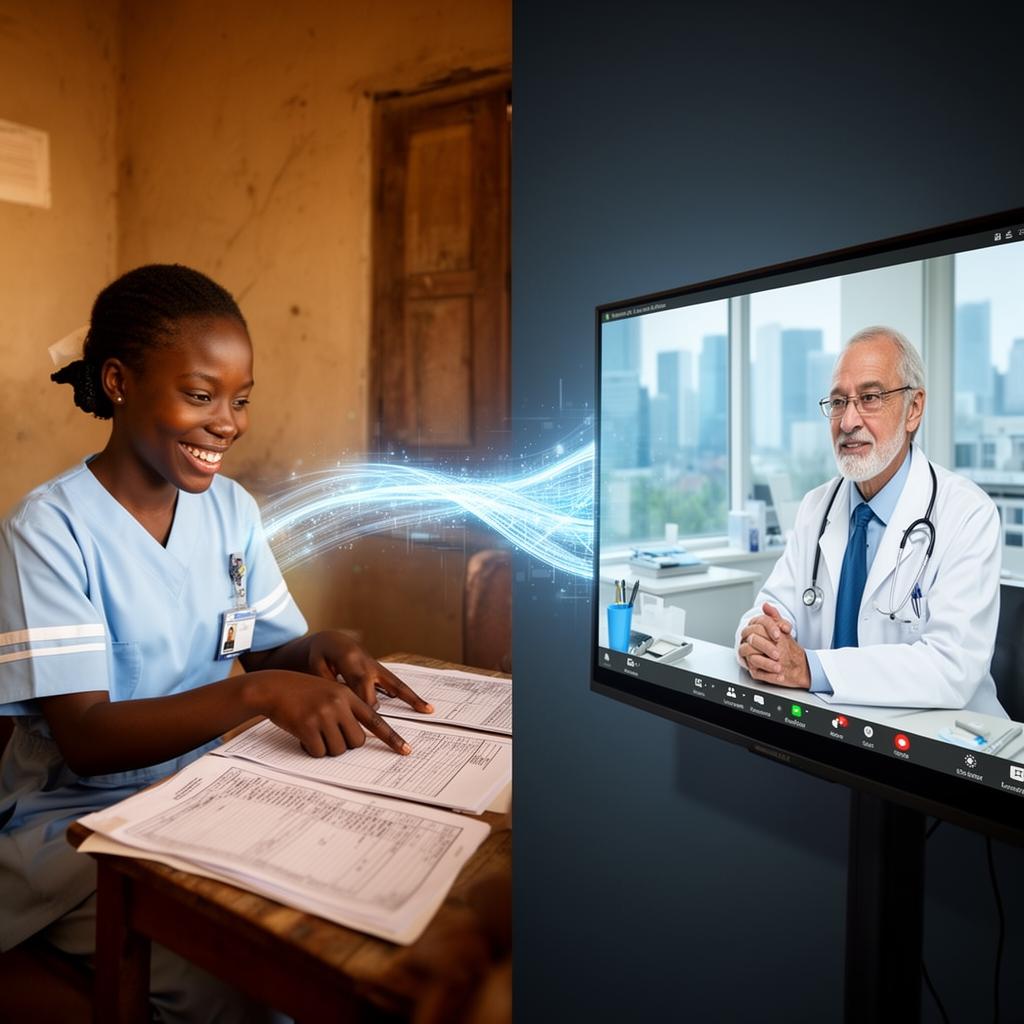
“ECHO brings the right knowledge to the right place at the right time.”
2. AI: from treating the sick to managing the well
The most surprising change is how AI is shifting the focus from 'treating the sick' to 'managing the well.' In the old reactive system, patients only saw a doctor when they already felt unwell.
Modern telemedicine platforms are flipping that model by using AI to analyse data from connected wearable devices — such as blood pressure cuffs, glucose monitors, and ECG sensors — in real time. By tracking patient data continuously, AI can spot potential problems before they become emergencies. This early-warning capability is fundamentally changing how patients and doctors relate to each other.
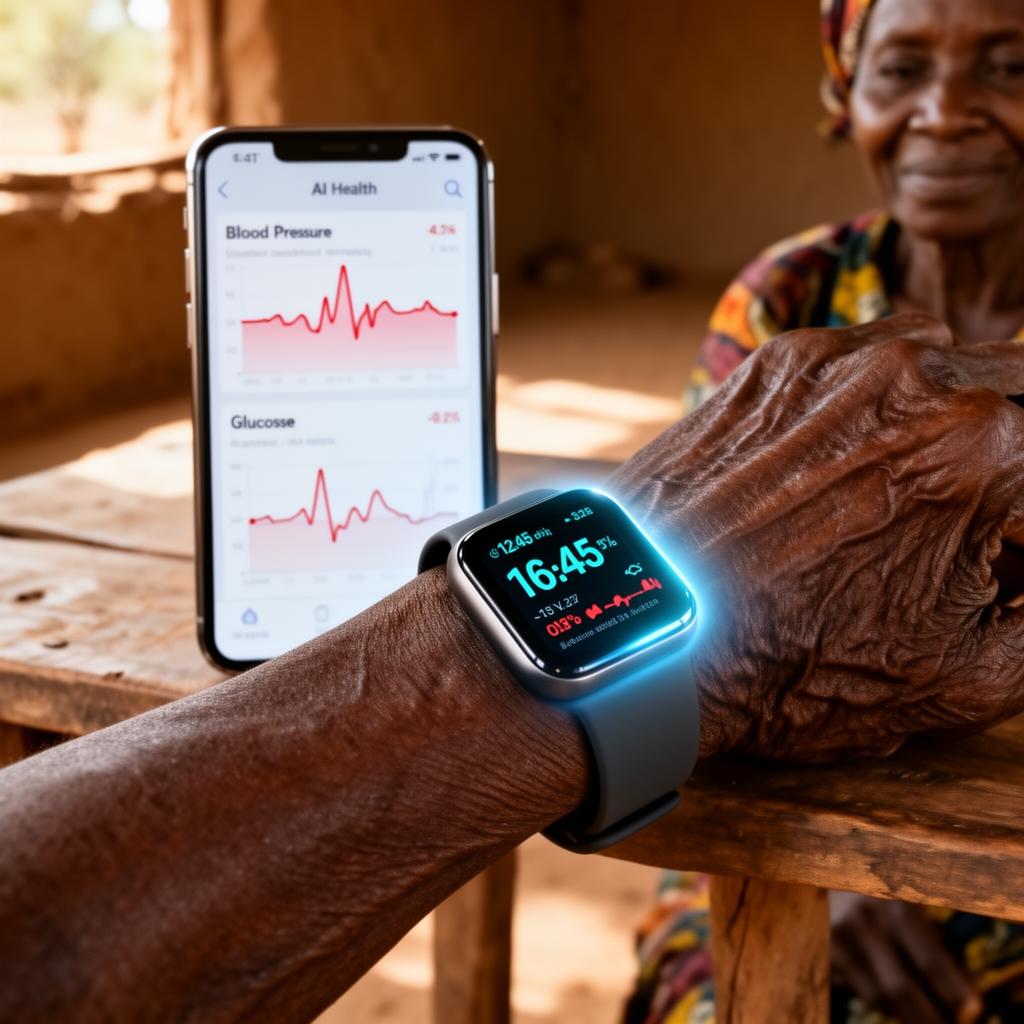
Continuous monitoring
Devices track vitals around the clock, building a living health record instead of a single snapshot.
Early warning alerts
AI flags concerning trends so care teams can step in before a small issue becomes a crisis.
Patient empowerment
People see their own data and understand their health better, becoming active partners in their care.
3. Embedding care into daily life
The future of rural healthcare is not purely virtual — it is hybrid. We are seeing digital tools embedded into the places where people already live and work.
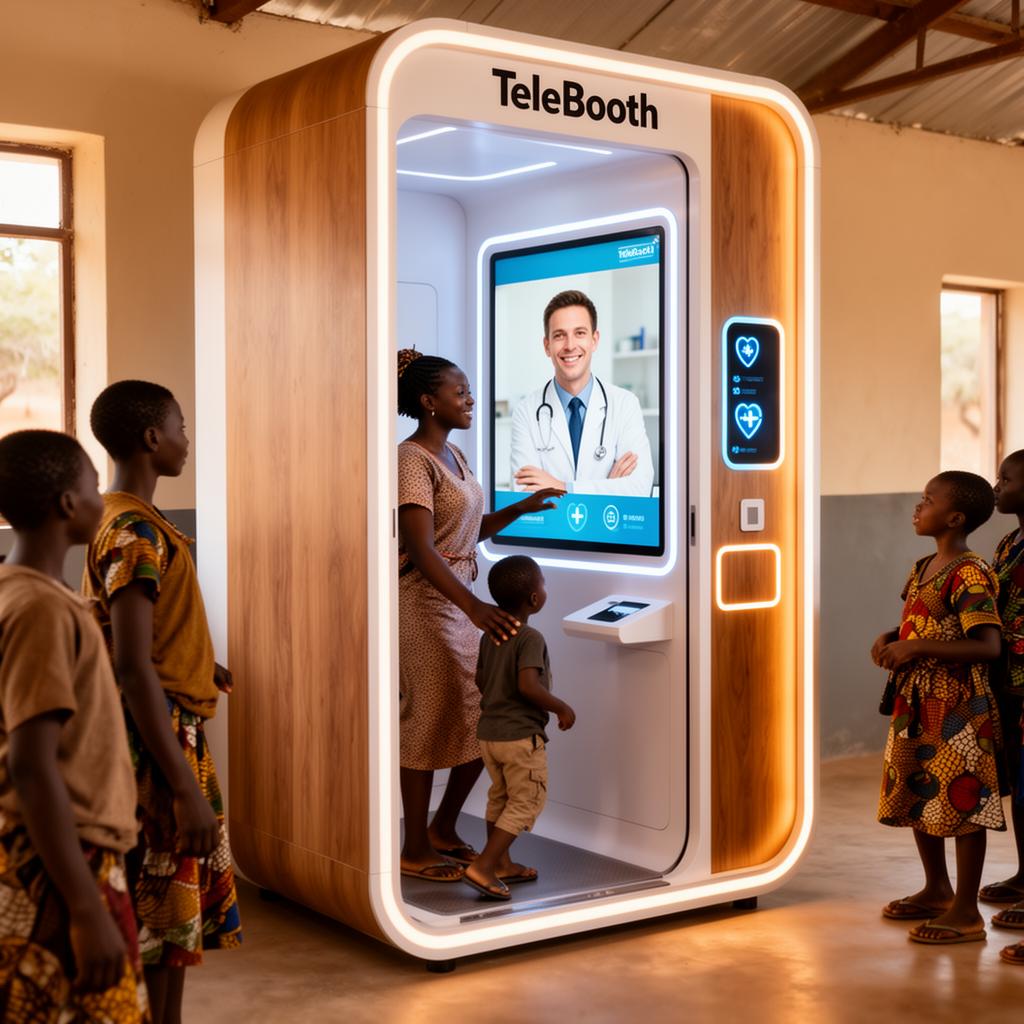
Whether it is a physical TeleBooth in a corporate centre to cut down sick days, or a telerounding setup in a district hospital, these hybrid models recognise that the best health technology is the kind that feels close and accessible. By meeting patients in their everyday spaces, we are overcoming the 'friction of distance' that has historically kept healthcare out of reach.
4. Closing the loop at the last mile
The logistical headache of drug delivery and lab testing is often the biggest challenge at the 'last mile.' New innovations are now linking telemedicine platforms with local supply chains, service delivery, and health financing.
By closing the loop — allowing a patient to get a specialist diagnosis, have an e-prescription verified, and arrange local lab testing — these platforms ensure that a digital consult does not just end with advice, but with real, actionable health outcomes. This integration is what finally makes virtual care more than just a video call; it makes it a complete health solution.
The new standard of care
We are witnessing a shift where the strength of a healthcare system will no longer be measured by the number of hospital beds it can build, but by how well it can spread expertise across a digital network. By embracing these advances, we can make high-quality, specialist care a right for the many, not a luxury for the few.
As these technologies continue to grow and spread across the continent, we have to ask: when high-quality healthcare is finally freed from the limits of geography and physical buildings, what other barriers are we ready to break down?
Ready to see a specialist?
Book a virtual consultation with an AllRound specialist today.
Book a consultation