
Telemedicine
Telerounding Can Build the Capacity of Rural Doctors and Save Lives in Ghana
Rural doctors in Ghana work with courage but little backup. Telerounding connects them to city specialists — and turns isolation into strength.
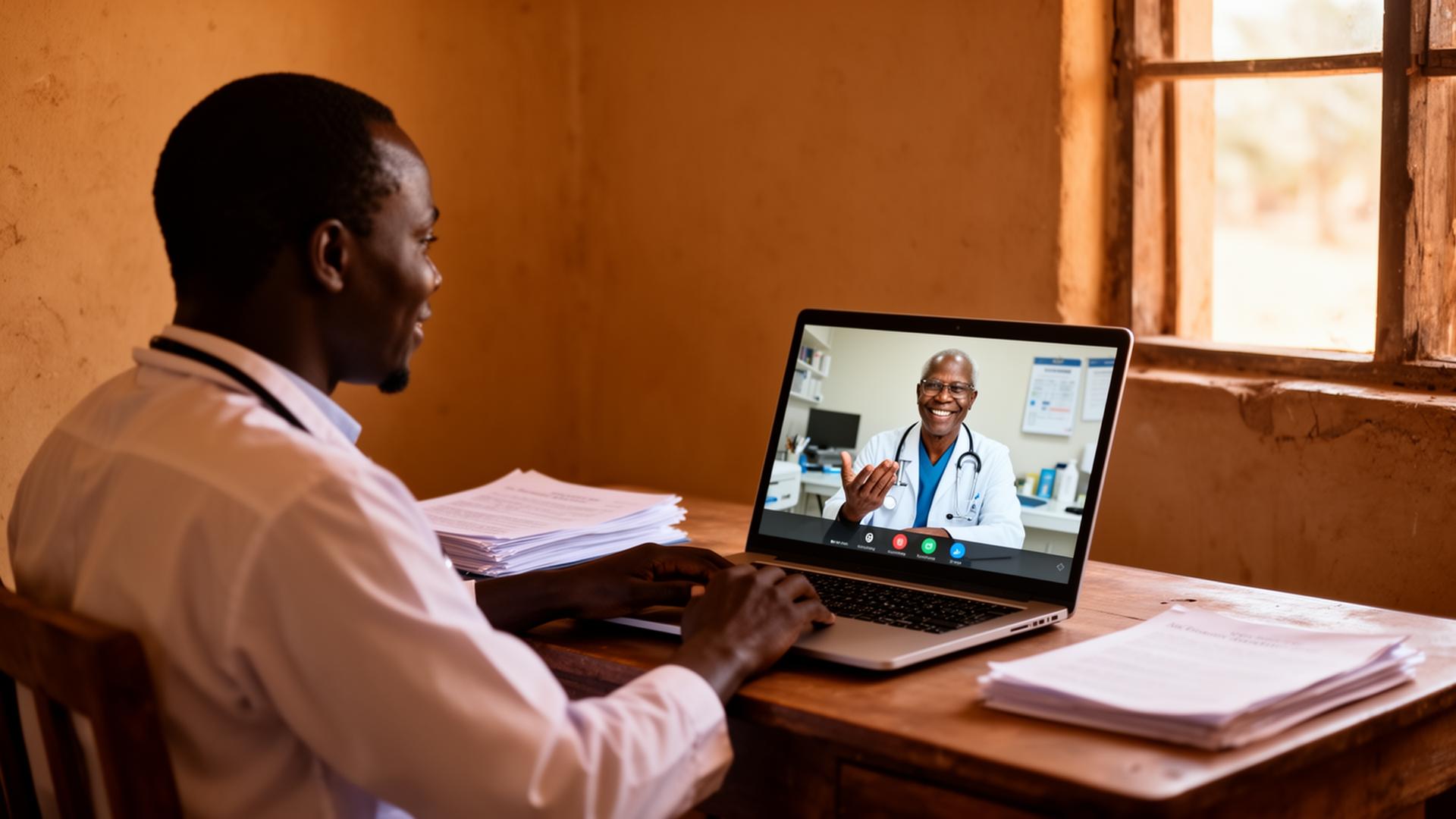
Imagine being the only doctor for an entire district. You handle malaria, childbirth, broken bones, heart problems, and mental health crises — often with basic equipment and no specialist to call when a case gets complex. This is the daily reality for many rural doctors in Ghana.
They are not underqualified. They are simply isolated. And isolation in healthcare can be as dangerous as any disease. When a doctor has no one to consult, mistakes happen. Patients get transferred too late. Simple cases become emergencies.
Telerounding is changing that. By connecting rural clinicians to city-based specialists through regular video rounds, it turns lonely duty into collaborative care — and builds skills that last a lifetime.
What is telerounding, and why does it matter?
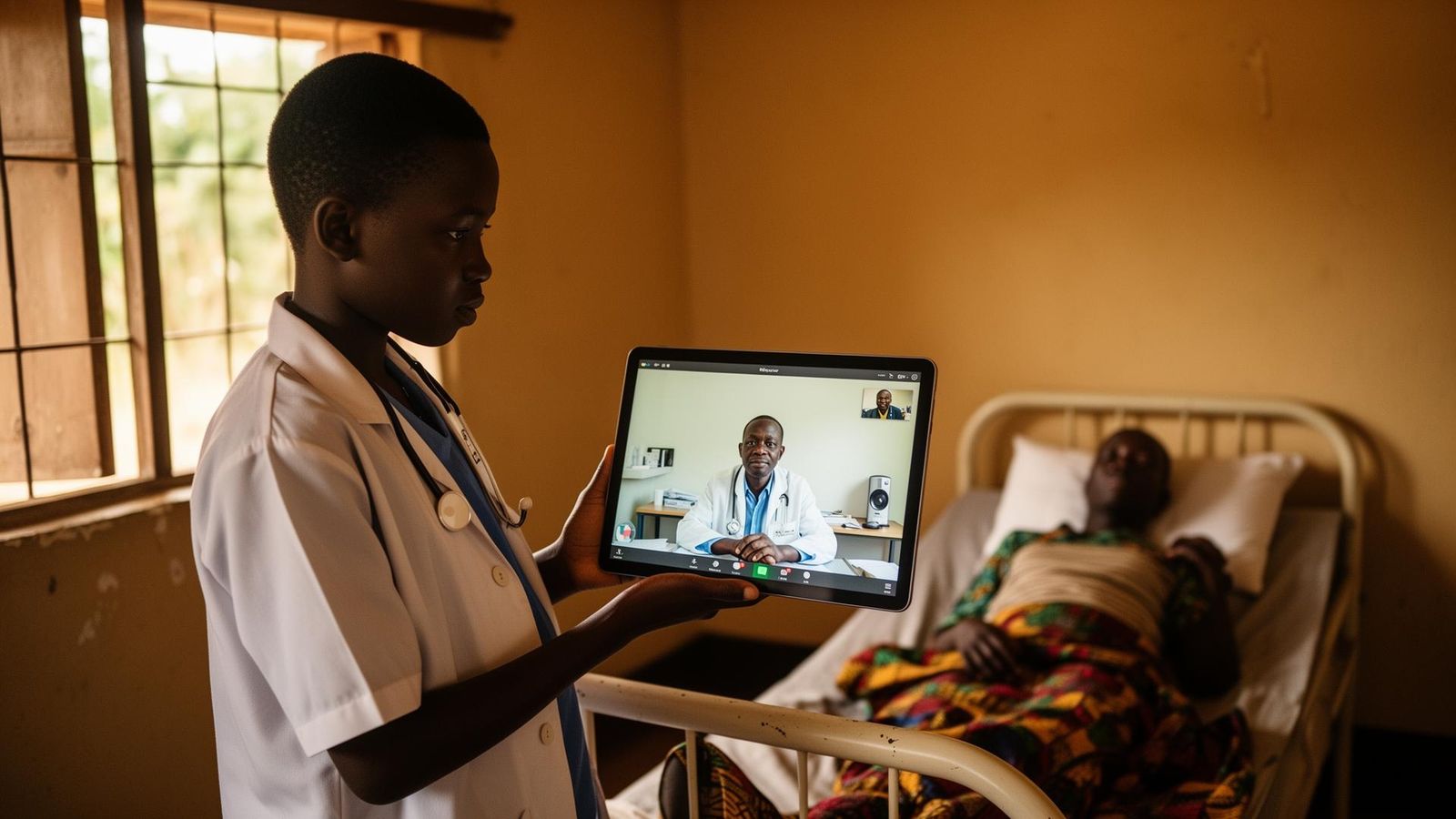
In traditional hospital practice, 'rounds' are the daily walk through wards where senior doctors review patients, discuss diagnoses, and teach junior staff. Telerounding does the same thing — but the senior doctor is on a screen, and the ward is hundreds of kilometres away.
For a rural doctor in Ghana's Upper East Region, this means a cardiologist in Accra can review a patient's heart readings in real time. A paediatrician can guide the management of a sick newborn. A surgeon can advise whether a patient really needs an urgent transfer — or whether the local team can handle it.
“When a rural doctor has a specialist in their pocket, they stop guessing and start growing. Every round becomes a lesson.”
Building capacity, one case at a time
Telerounding is not just about getting advice for today's patient. It is about building the confidence and knowledge of the doctor standing in front of the patient.
Real-time clinical decision support
Rural doctors learn how specialists think through cases — what questions to ask, what signs to watch, what tests to order.
Reduced unnecessary referrals
Many patients are transferred to city hospitals for conditions that could be managed locally. Telerounding helps rural teams treat more, refer less.
Faster response to emergencies
When every minute counts, having a specialist on screen can mean the difference between life and death.
Continuous professional growth
Over months and years, rural clinicians exposed to regular telerounding develop skills that rival their city counterparts.
The lives telerounding can save
Ghana has made huge strides in healthcare. But maternal deaths, childhood pneumonia, unmanaged hypertension, and traumatic injuries still claim too many lives in rural areas — not because treatment does not exist, but because it does not arrive in time.
Telerounding tackles this at the source. A district hospital that can manage a complicated delivery with remote obstetric support saves two lives — mother and child. A health centre that correctly diagnoses a heart attack early can get the patient the right drugs before an ambulance even leaves.
From one-off calls to continuous care
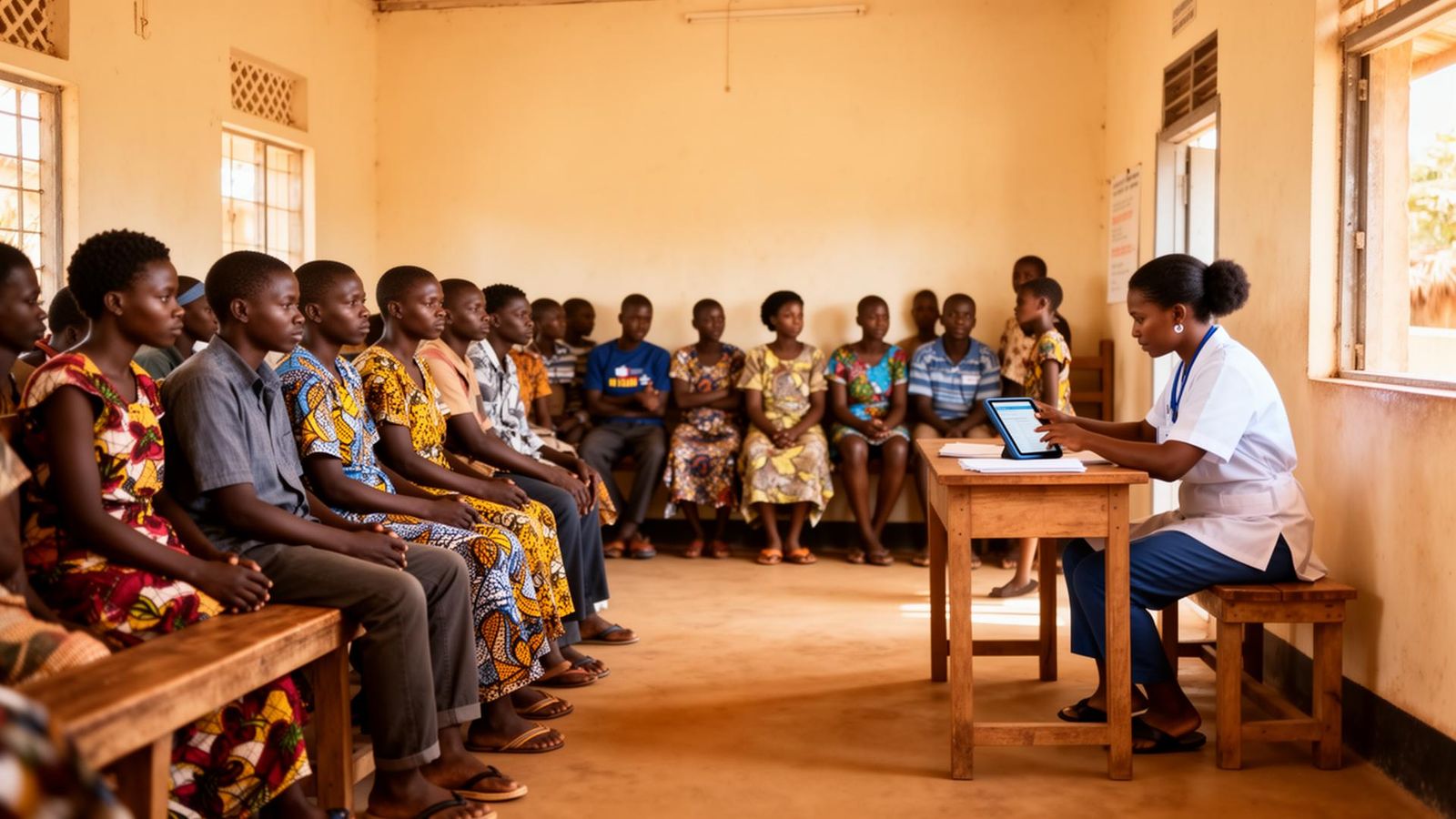
Early telemedicine in Africa was often limited to a single video call: a patient speaks to a doctor, gets a prescription, and the connection ends. Telerounding goes deeper. It creates an ongoing relationship between the rural clinician and the specialist team.
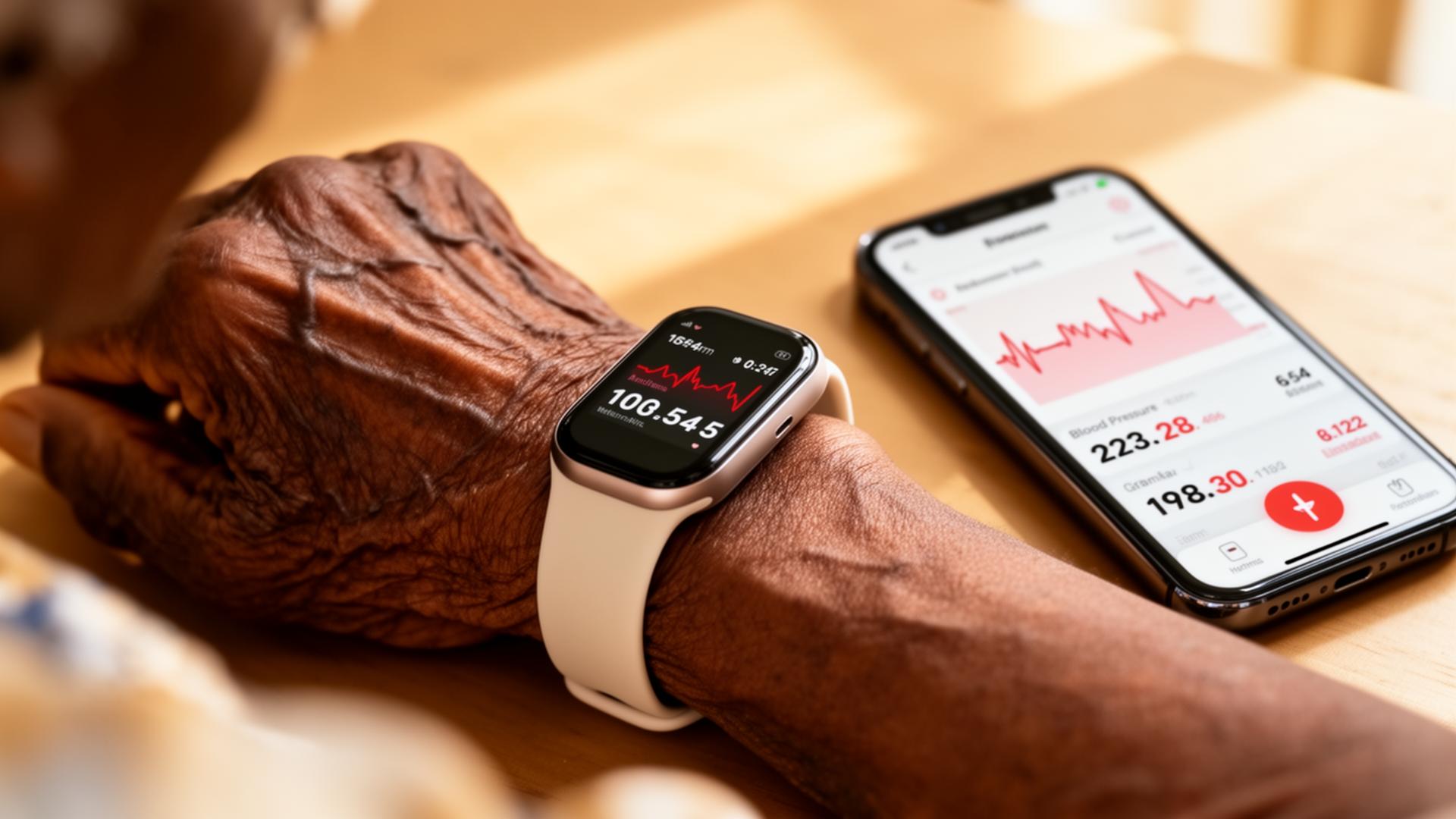
Add remote monitoring — blood pressure cuffs, pulse oximeters, glucose meters that send data to the cloud — and the specialist can track a patient's condition between rounds. Problems are caught early. Adjustments are made quickly. Chronic diseases that used to spiral into crises become manageable routines.
A practical path forward for Ghana
Ghana's healthcare system does not need to be rebuilt from scratch. It needs smarter connections. The doctors are already there. The specialists are already there. The technology is already in most pockets.
What is missing is the bridge. Telerounding programs, supported by reliable internet, simple devices, and willing specialist volunteers, can turn Ghana's district hospitals into nodes of excellence. Every rural doctor who goes through regular virtual rounds becomes more skilled, more confident, and more effective.
“The best way to fix Ghana's specialist shortage is not just to train more specialists. It is to multiply the reach of the ones we already have.”
The bigger picture
When we invest in telerounding, we are not just buying technology. We are investing in people. We are telling rural doctors: you are not alone. We are telling rural patients: world-class care can reach you where you live.
At AllRound Specialists Virtual Clinic, we believe the future of Ghana's healthcare lies in networks — networks of doctors, nurses, specialists, and patients connected by purpose and powered by digital tools. Telerounding is one of the strongest threads in that network. And it is ready to weave now.
Ready to see a specialist?
Book a virtual consultation with an AllRound specialist today.
Book a consultation