Telemedicine
Scaling Expertise: How Telemedicine is Fixing Africa's Specialist Shortage
In rural Africa, seeing a specialist often means days of travel. Telemedicine is proving that the solution isn't more hospitals — it's smarter connections.
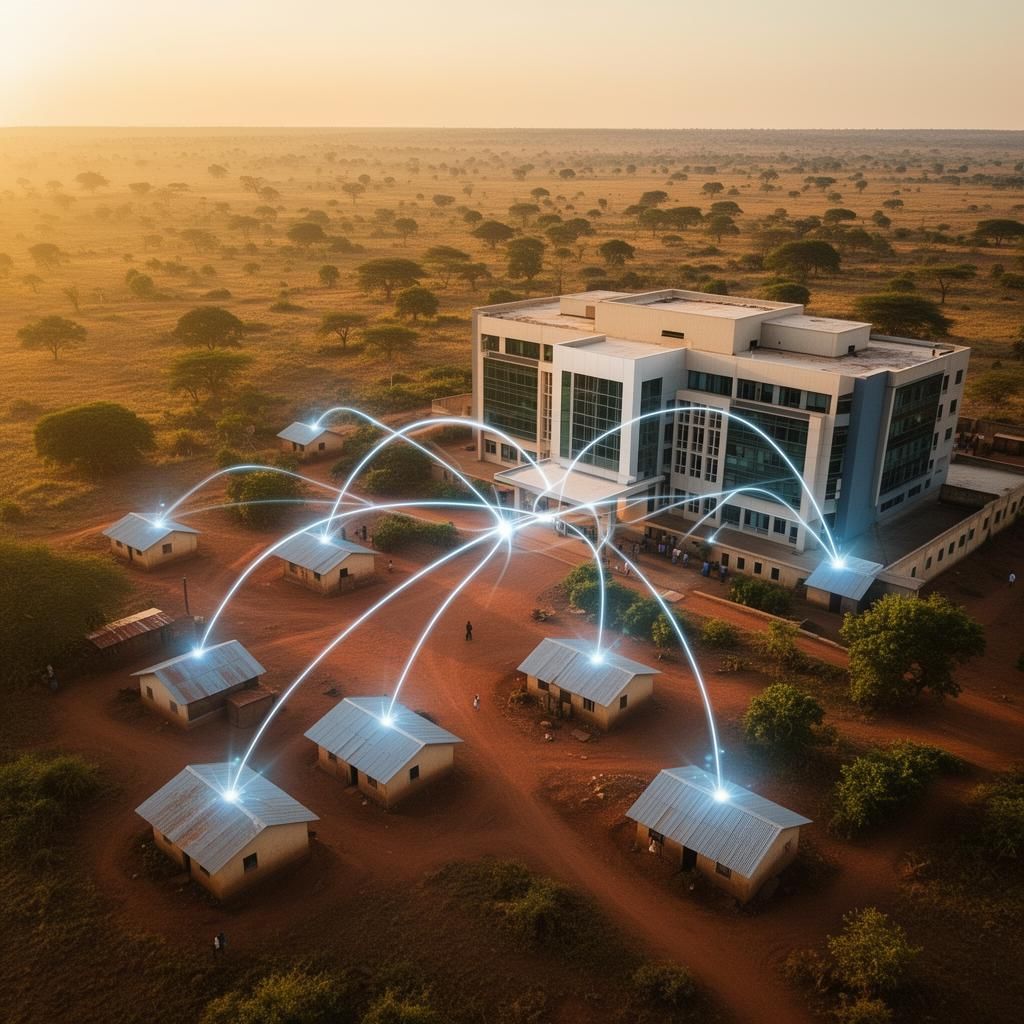
In many parts of Africa, 'healthcare access' means one hard truth: distance. If you live in a rural community and need a specialist, you might face a dangerous, days-long journey to a city hospital — only to find overcrowded wards and exhausted doctors.
The crisis is not a shortage of hospital beds. It is a shortage of specialists. When expertise is trapped in big cities, the gap between a patient and the care they need can be a matter of life and death.
But a quiet digital revolution is underway. Telemedicine is proving that we do not need to wait decades to build thousands of new specialist hospitals. We simply need to share the expertise we already have more effectively.
1. Telemedicine as a force multiplier for talent
The biggest impact of telemedicine is not just convenience. It is the democratisation of specialist knowledge. We are moving from old-fashioned referral systems to collaborative, peer-to-peer networks.
Through telementoring, senior specialists in city hospitals can now mentor frontline health workers in remote districts virtually. This 'telerounding' approach lets local staff co-manage complex cases that once needed dangerous patient transfers. In short, technology allows one specialist to help hundreds of patients they could never meet in person.
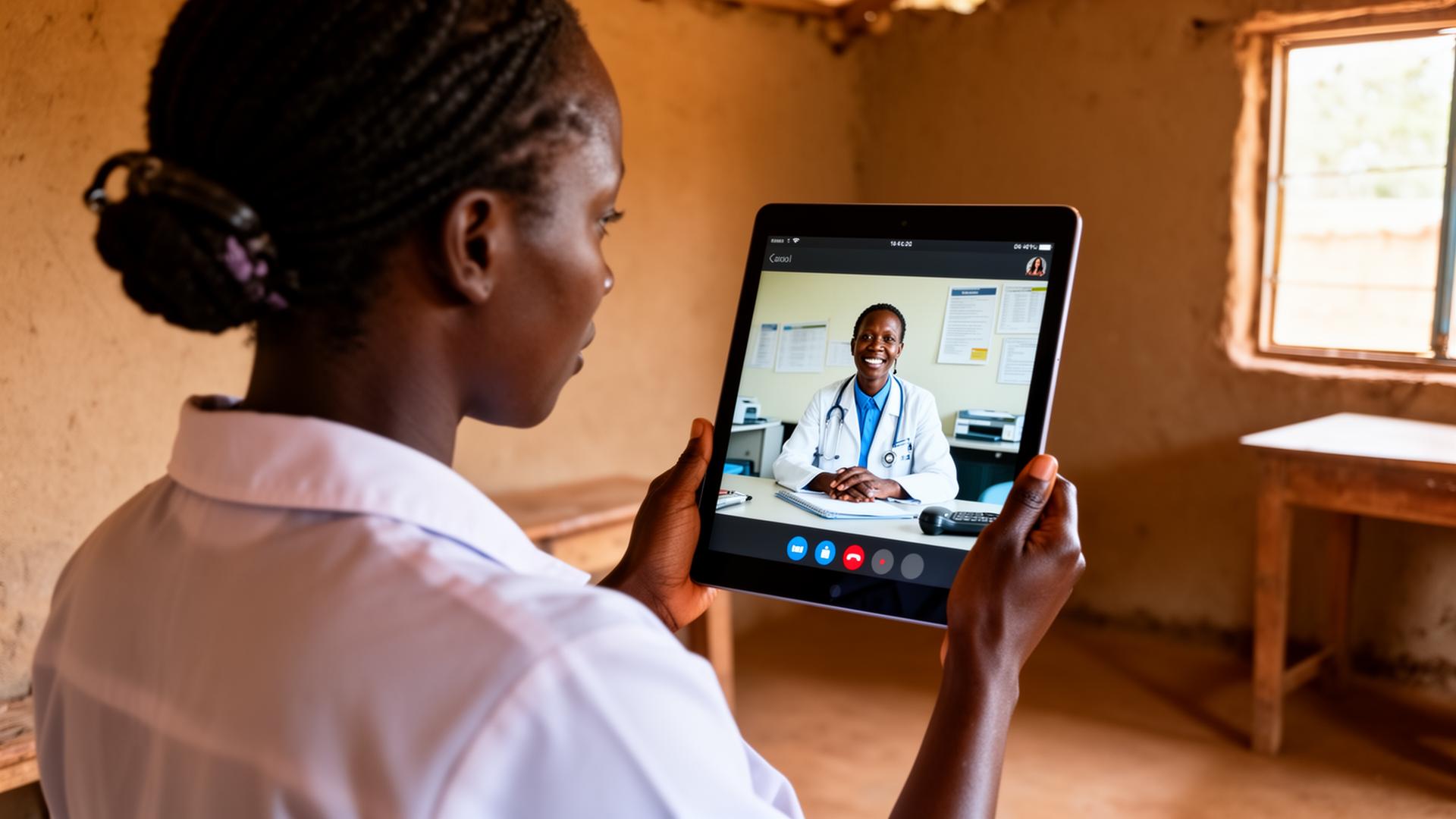
“When we enable specialists to practise virtually, we are not just filling a human resource gap; we are building an ecosystem where expertise flows to where it is needed most.”
2. From one-off visits to continuous care
We often think of healthcare as a one-off event: you feel sick, you see a doctor, you get medicine. In Africa's specialist shortage, this reactive model is failing.
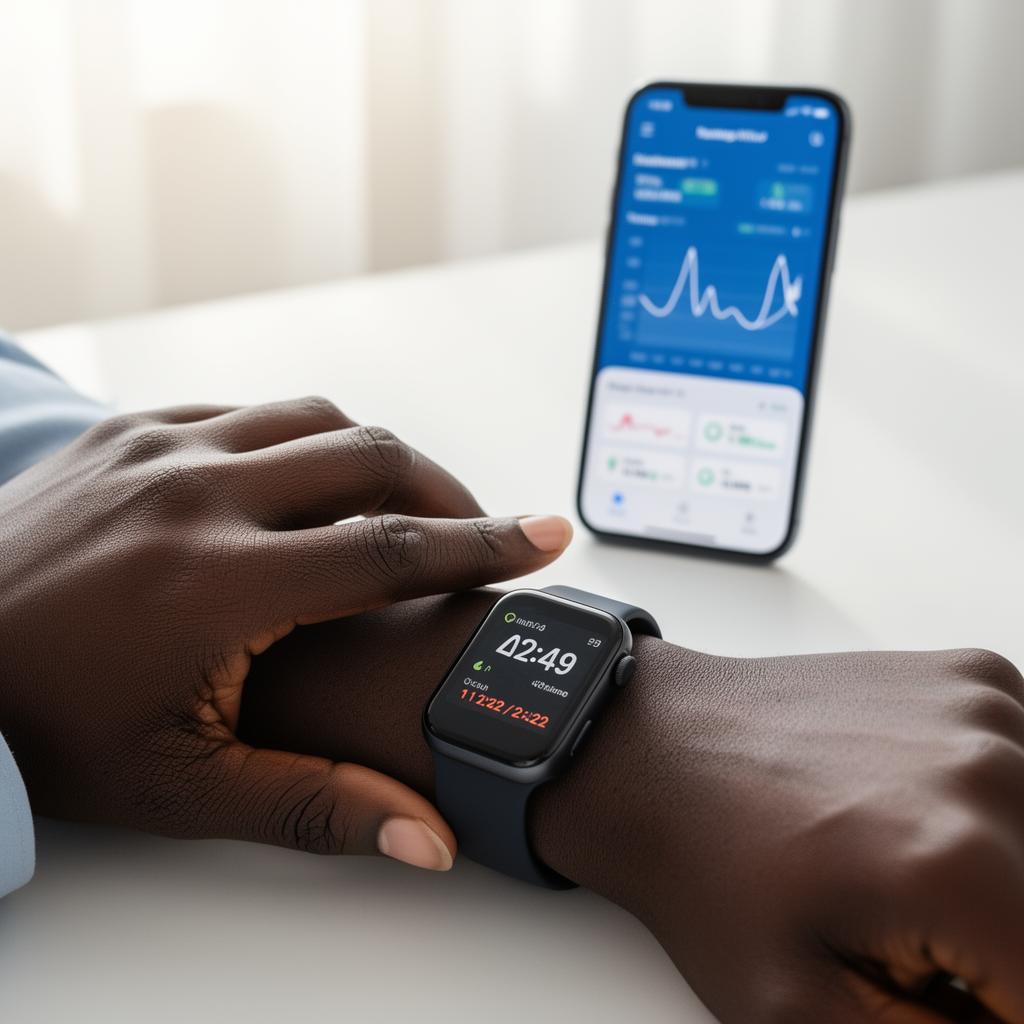
Telemedicine platforms are now becoming full care ecosystems. By linking wearable devices and health trackers, these platforms are shifting the focus from 'treating the sick' to 'keeping people well.' Specialists can now monitor blood pressure, glucose, and heart rate in real time. This early-warning power is perhaps the most powerful benefit of telemedicine: by keeping a constant digital pulse on chronic conditions, we prevent the emergencies that would otherwise overwhelm limited hospitals.
Continuous monitoring
Devices track vitals around the clock, building a living health record instead of a single snapshot.
Early warning alerts
AI flags concerning trends so care teams can step in before a small issue becomes a crisis.
Patient empowerment
People see their own data and understand their health better, becoming active partners in their care.
3. Closing the 'last mile' loop
A virtual consultation can feel pointless if it ends with a handwritten note saying 'go find a lab' or 'visit a pharmacy.' The future of healthcare lies in 'closing the loop.'
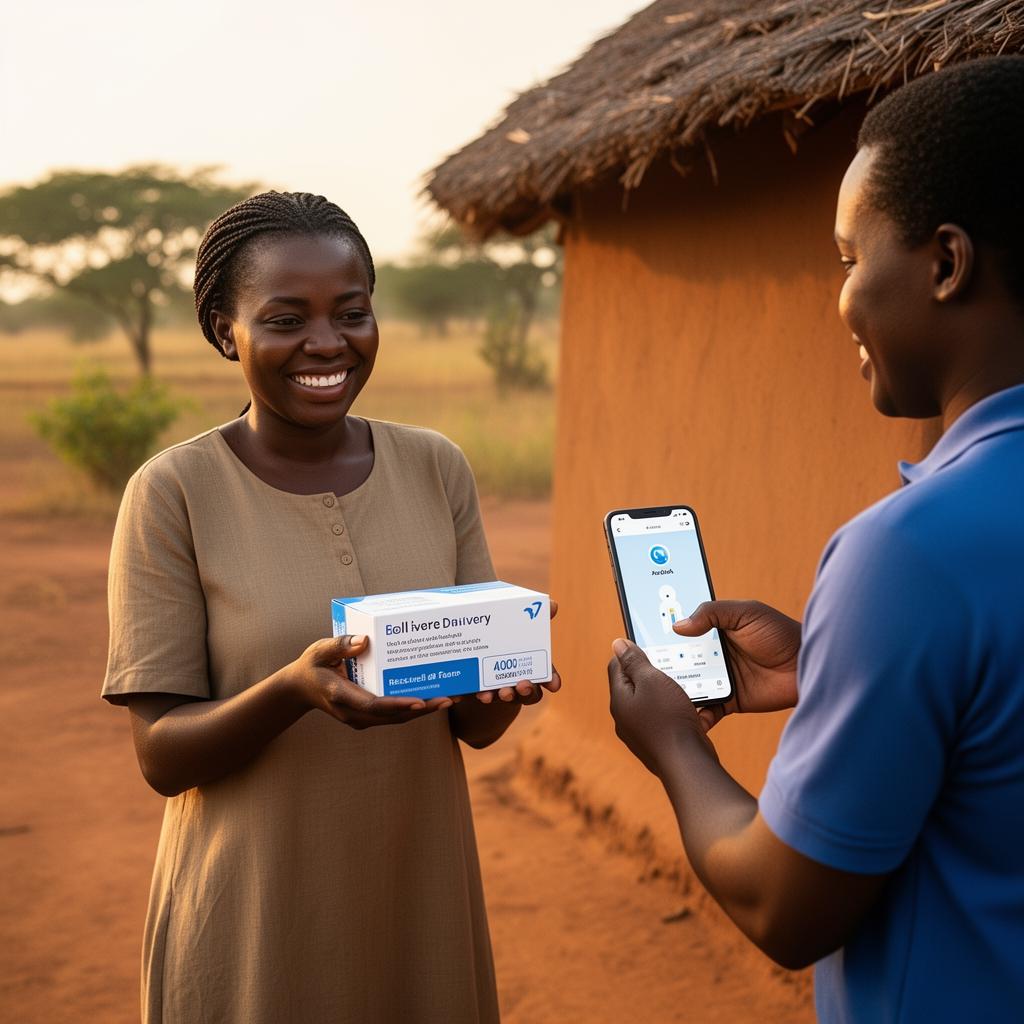
Leading digital clinics are now tying their platforms to local supply chains and diagnostic networks. A specialist diagnosis is only useful if the patient can actually get the treatment. By linking virtual consultations directly to e-prescriptions, home-delivered medications, and integrated lab requests, telemedicine bypasses the physical bottlenecks of the old referral system. It makes world-class healthcare actionable, not just aspirational.
The path forward
The future of healthcare in Africa will not be measured by how many new hospitals we build. It will be measured by how strong the digital networks are that share the expertise we already have.
By scaling specialist knowledge through virtual channels, we are not just solving a short-term staffing gap. We are fundamentally redesigning healthcare to be fairer, more resilient, and more accessible. As technology untethers expertise from physical location, we must ask: if we can bring world-class care to anyone, anywhere, what other barriers are we ready to break?
Ready to see a specialist?
Book a virtual consultation with an AllRound specialist today.
Book a consultation