
Access to Care
Is Specialist Healthcare a Luxury? Addressing Complex Healthcare Challenges in West Africa
For too many West Africans, seeing a specialist feels like a luxury reserved for the wealthy or the well-connected. It does not have to be that way.
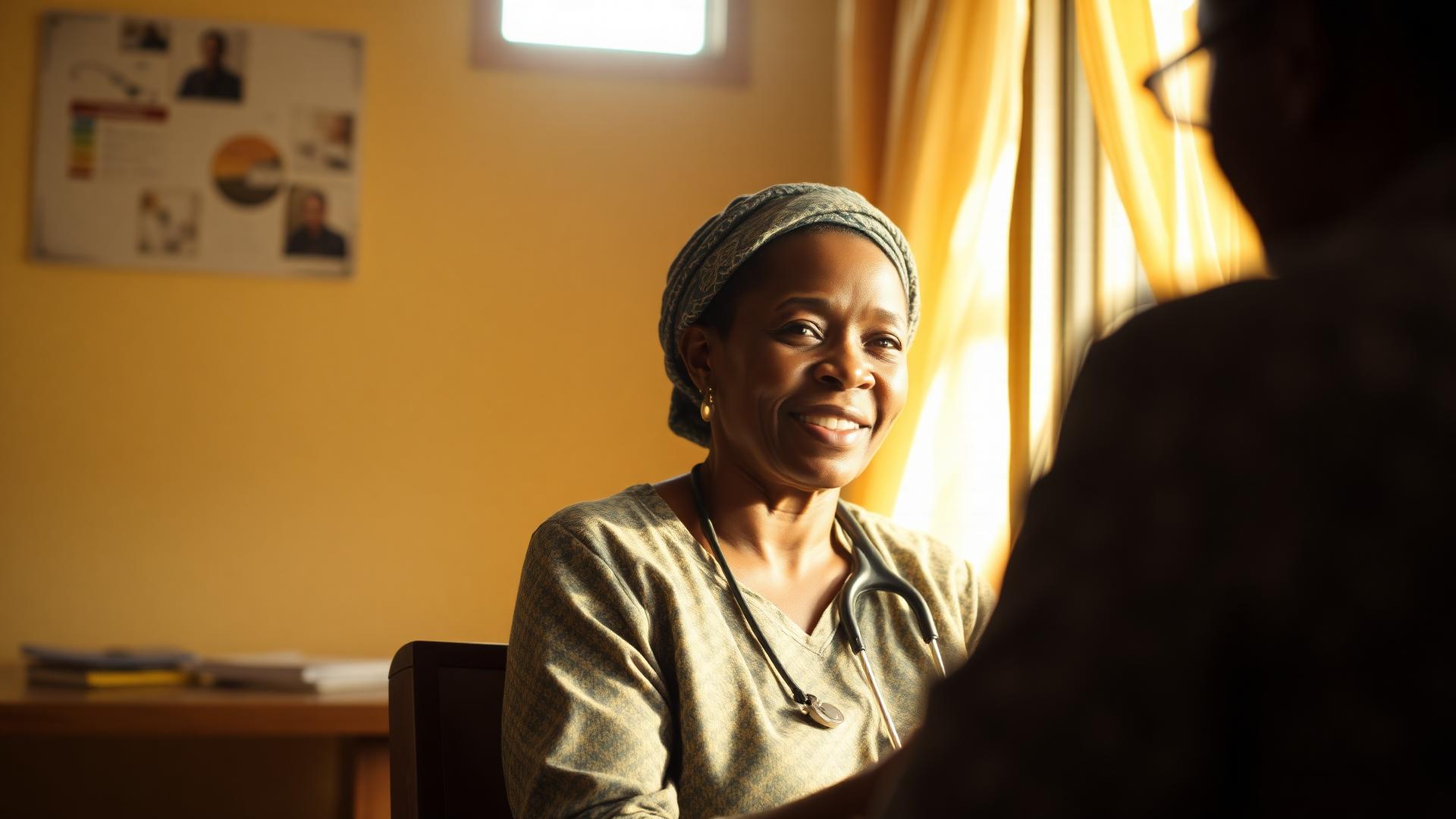
Ask a family in rural Ghana, Nigeria, or Burkina Faso what it takes to see a heart specialist, a cancer doctor, or a child psychiatrist. The answer is rarely just 'a hospital visit.' It is days of travel, weeks of savings, and sometimes a choice between medicine and school fees.
When care is that hard to reach, people start to believe it is not meant for them. Specialist healthcare begins to feel like a luxury — something for the rich, the urban, or the lucky. But this is a story we can change.
The real cost of 'luxury' care
The World Health Organization estimates that sub-Saharan Africa has fewer than 1 doctor for every 1,000 people. In many West African countries, specialists are even rarer — and almost all of them work in capital cities.
So when a farmer in the Northern Region of Ghana feels chest pain, or a young mother in Kano notices a strange lump, their first hurdle is not the diagnosis. It is geography, transport, and cost.
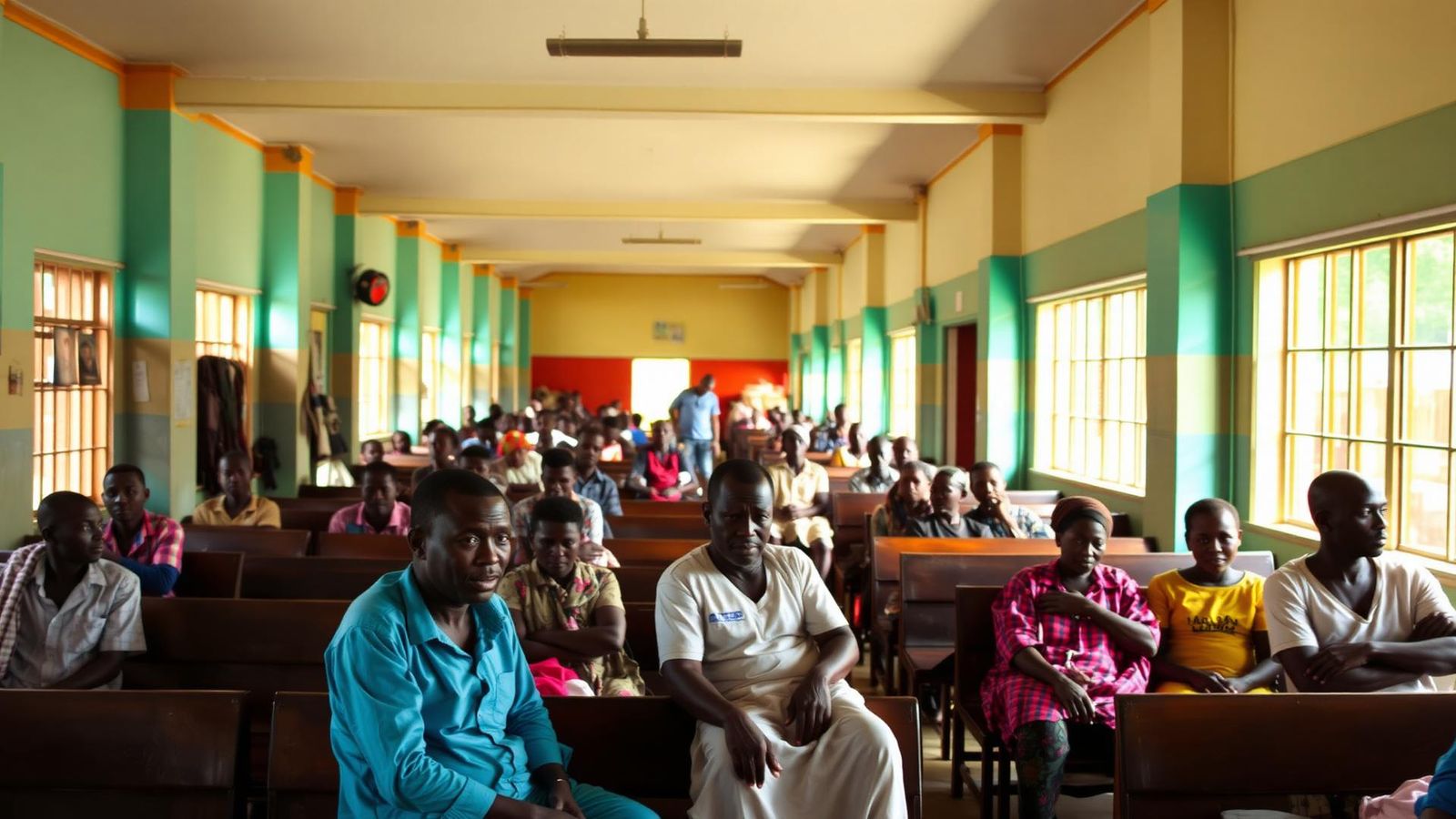
“When seeing a specialist costs you three days of travel and a month of income, care stops feeling like a right and starts feeling like a privilege.”
Why the old model is breaking
For years, the answer to West Africa's healthcare problem has been the same: build more hospitals and train more doctors. Both are important. But on their own, they are too slow and too expensive to close the gap in time.
Specialists are concentrated in cities
Most cardiologists, oncologists, and psychiatrists in West Africa work in a handful of urban hospitals, leaving rural districts with almost none.
Travel is expensive and dangerous
Patients with chronic conditions like diabetes or heart disease often skip follow-ups simply because they cannot afford the journey.
Out-of-pocket costs are crushing
A single specialist visit, plus tests and travel, can wipe out a family's savings — pushing them deeper into poverty.
Workforce burnout is rising
The few specialists we have are overwhelmed, working long hours in crowded wards with limited support.
A new question: what if expertise could travel instead of patients?
Specialist healthcare does not have to be a luxury. It becomes one only when we insist that every patient must come to the specialist, in person, in a city, on the specialist's schedule.
Across West Africa, a quieter shift is underway. Mobile phones, faster internet, and trained local health workers are making it possible to bring expert care to people, instead of forcing people to chase expert care.
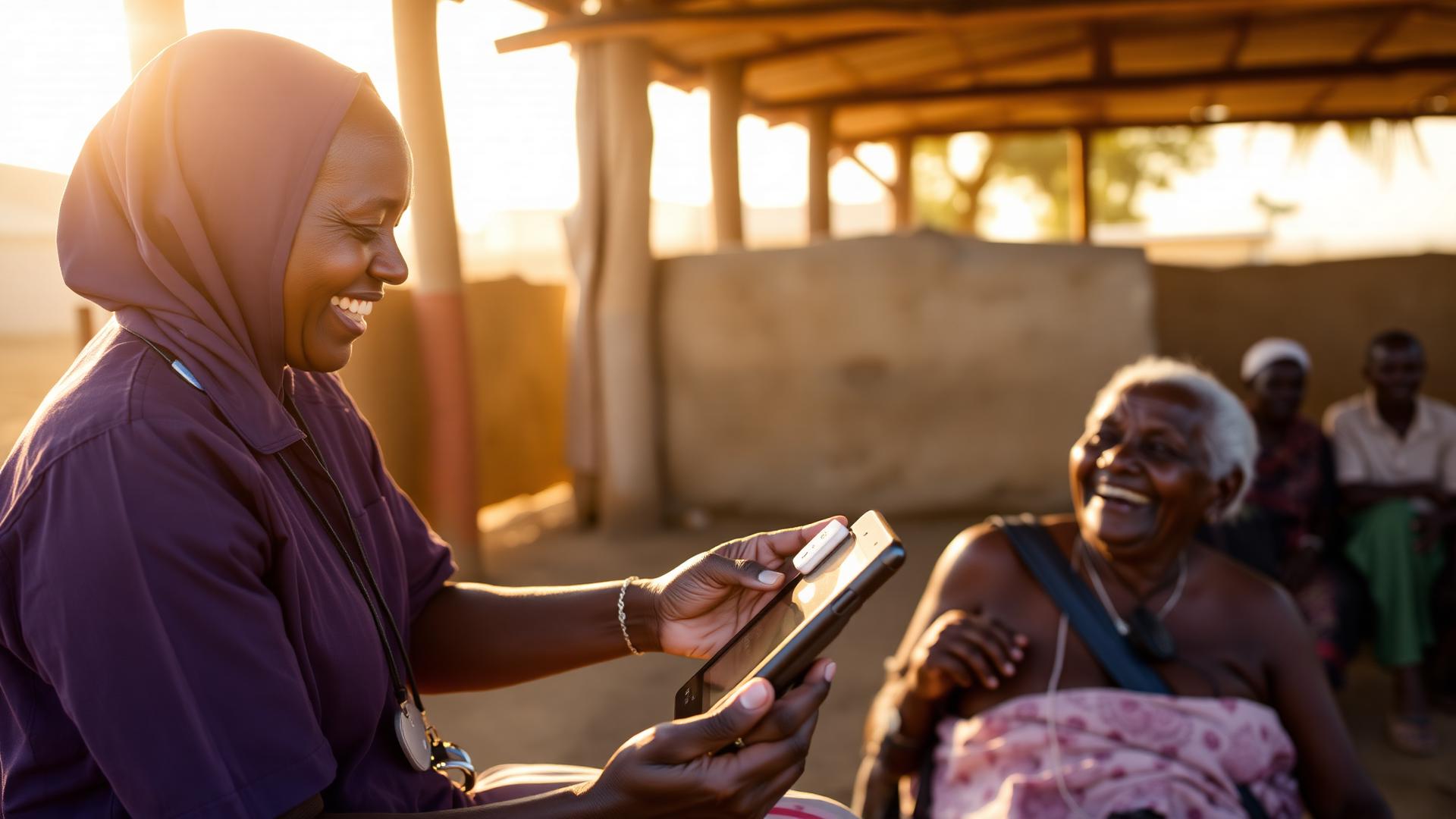
Three practical shifts that can make specialist care a right
1. Virtual specialist consultations
Patients meet specialists over secure video calls from a nearby clinic or community Telebooth. No long journeys, no missed work, no choosing between transport and medicine.
2. Tele-mentoring of local clinicians
Instead of replacing local nurses and doctors, specialists guide them in real time. One cardiologist in Accra can quietly support dozens of clinics across the region.
3. Continuous remote monitoring
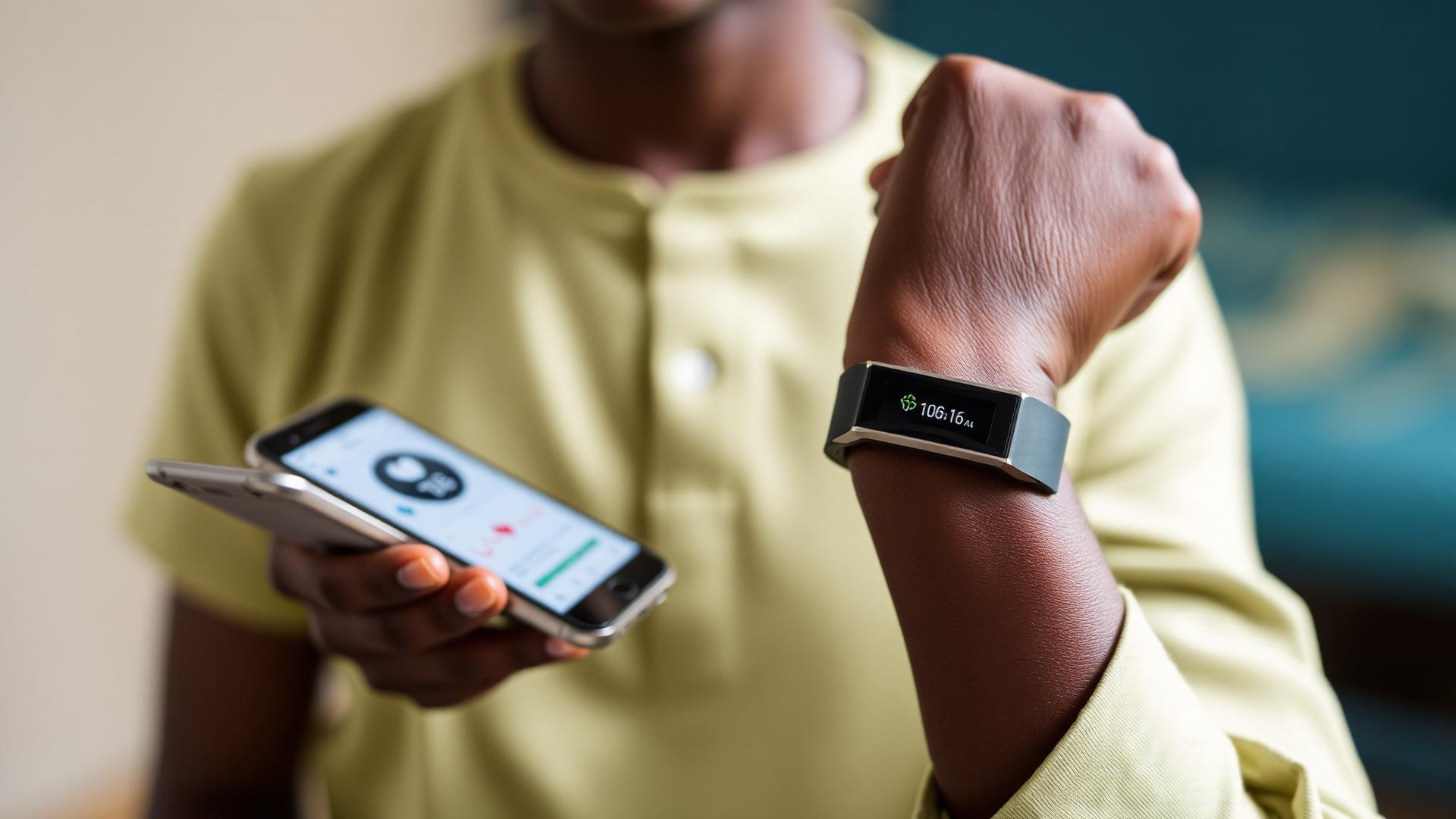
Wearables and simple at-home devices send vital signs to a specialist team. Problems are spotted early, before they turn into emergencies.
What this means for West Africa
When we combine local clinics, community workers, and remote specialists, we stop treating expertise as a scarce resource locked inside a few buildings. We start treating it as a network — something that can stretch to reach the most remote village.
This is how a child in a rural district can be seen by a paediatric specialist within hours. How a grandmother with high blood pressure can be monitored every week. How a young person struggling with their mental health can speak to a psychologist without shame or stigma.
“Specialist care is not a luxury. It is a right that has simply been waiting for the right system to deliver it.”
From luxury to right
The complex healthcare challenges in West Africa — chronic disease, mental health, maternal care, cancer — will not be solved by hospitals alone. They will be solved by smarter systems that put specialist knowledge within reach of every patient, no matter where they live.
At AllRound Specialists Virtual Clinic, we believe the question is no longer whether specialist care can reach everyone. It is how quickly we are willing to build the bridges that get it there.
Ready to see a specialist?
Book a virtual consultation with an AllRound specialist today.
Book a consultation