
Access to Care
The Specialist Gap: Why Specialized Care in West Africa Is No Longer a Luxury, but a Necessity
Across rural West Africa, specialist care has felt like a privilege for the few. Telemedicine is quietly changing that — and it's time we stopped treating expert care as optional.

Imagine living with a chronic health condition in a remote part of Sierra Leone or rural Ghana. You notice your feet are swelling, or you feel tired in a way you can't explain. You know something is wrong — but the nearest specialist who can actually diagnose and treat you is hundreds of miles away in a busy city.
The cost of the trip. The days of lost work. The thought of waiting all day in a crowded hospital corridor. So you do what many people do: you wait. You hope it goes away. And often, by the time you finally seek care, it is too late.
For too long, specialist healthcare has been treated as a luxury — something reserved for people with the time, money and city addresses to navigate the traditional hospital system. As the digital landscape of West Africa changes, that story is falling apart. Telemedicine is proving that specialist care isn't a luxury. It is a basic need that, when delivered well, can change the direction of a person's life.
The false choice between distance and diagnosis
There is a stubborn myth that good healthcare can only happen inside a big physical building. In West Africa, where most specialists live and work in a few urban centres, that belief creates what we call the specialist gap — millions of people who simply cannot reach the doctor they need.
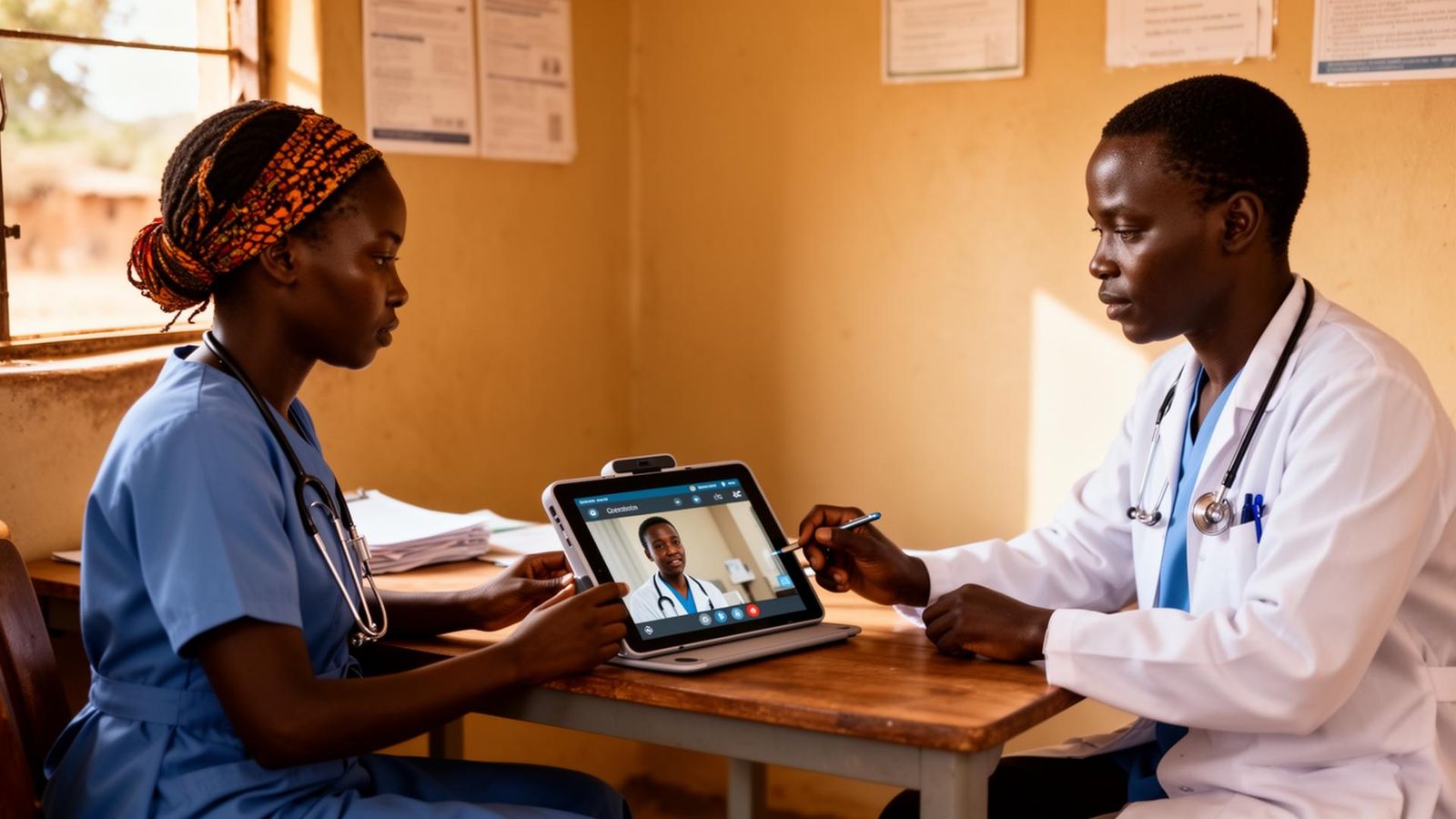
Telemedicine quietly removes those borders. Through doctor-to-doctor video consultations and digital telerounding, an isolated rural clinic can borrow the expertise of senior specialists in the city. The physician at the front line no longer has to guess. They can co-manage a critical case with an expert, bringing world-class judgement right to the patient's bedside.
Virtual care is more than a video call
If you still picture telemedicine as a quick Zoom call with a doctor, it's time to update the picture. In well-run virtual clinics, the video call is just the front door. The real value lies in everything that happens around it — the careful management of the patient's journey from first symptom to full recovery.
End-to-end fulfilment
A diagnosis only matters if something happens next. Modern virtual clinics now send e-prescriptions and lab requests directly to trusted local pharmacies and labs, so patients don't have to start over to get well.
Proactive interventions
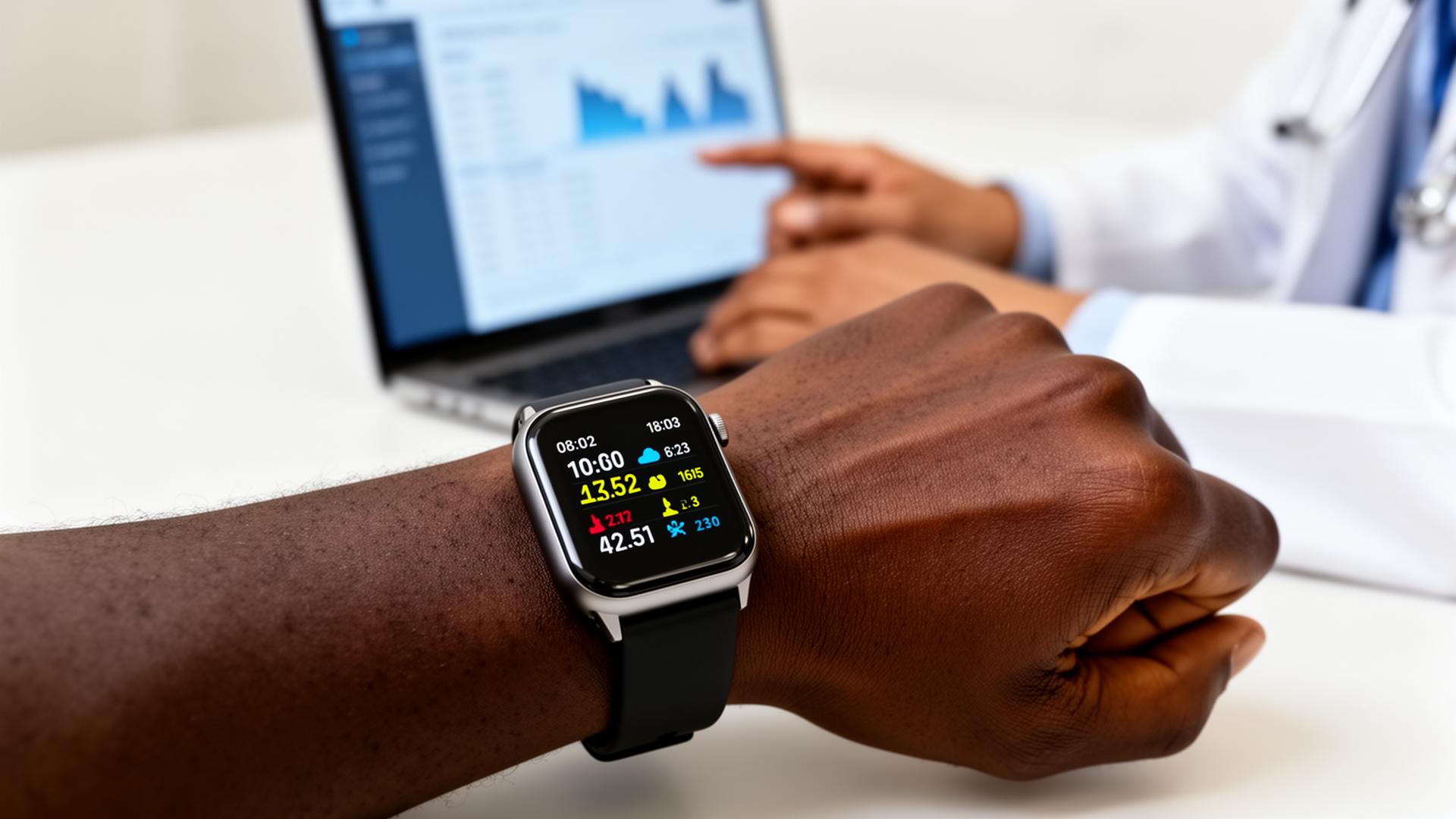
Wearable devices track blood pressure, glucose and other vitals in real time. Care teams stop waiting for the patient to call when something goes wrong and start acting on the data before a crisis hits.
Continuity that follows the patient
Records, follow-ups and reminders live in one place, so the next consultation always picks up where the last one left off — no repeated stories, no lost test results.
“Telemedicine is more than a technological innovation; it is Africa's digital doctor, tirelessly working to close the healthcare gap.”
Strengthening the health workforce
Beyond patient access, telemedicine is a powerful tool for keeping talented doctors in the region. In many parts of West Africa, brain drain is a serious problem — skilled specialists leave for better-resourced countries because there are few good ways to practise at home.
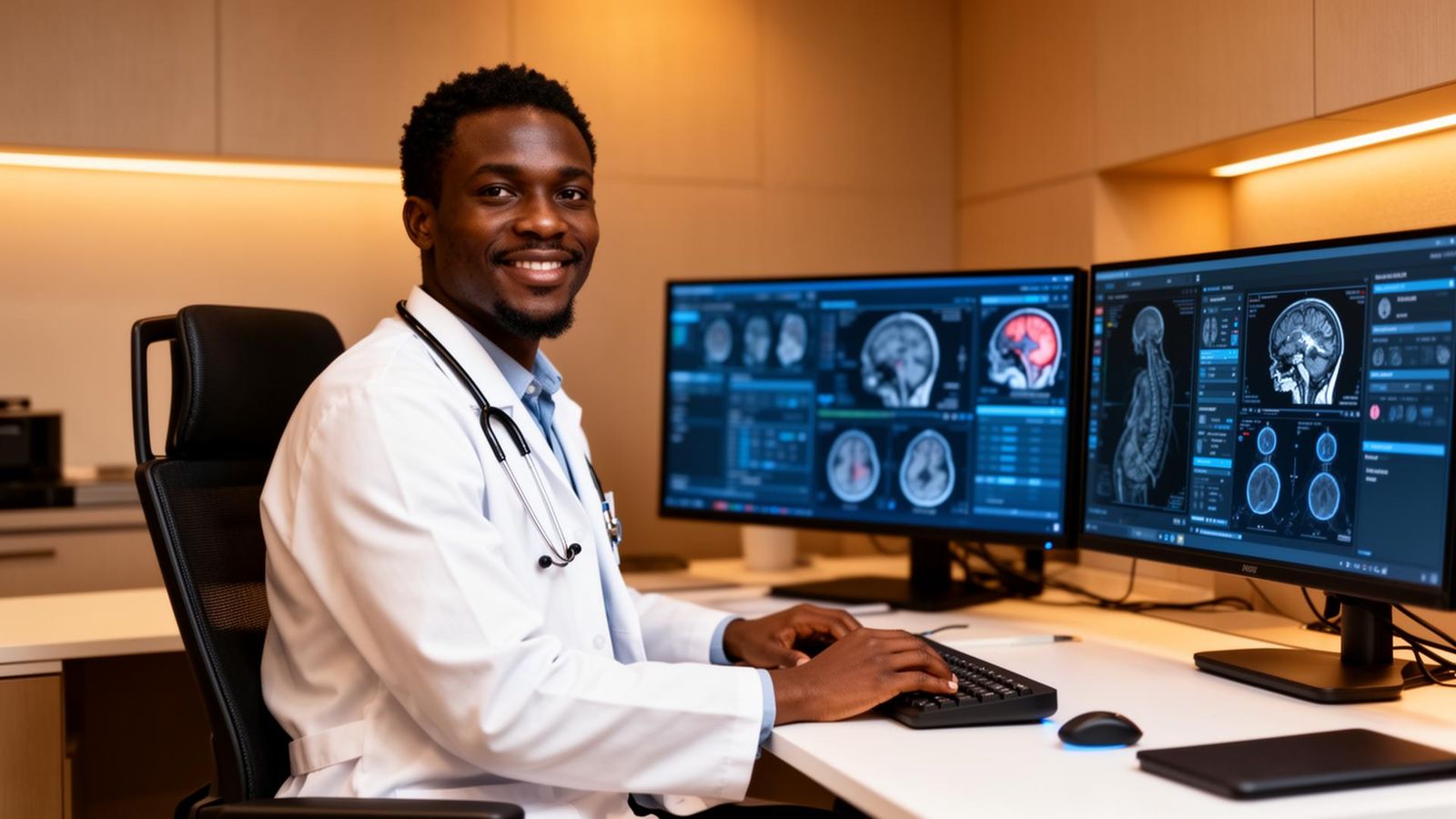
When we build virtual infrastructure that lets these experts reach patients anywhere, we keep them engaged in their own health systems. We are not just filling a staffing gap. We are creating a way for expertise to flow to where it is needed, instead of only where the doctor happens to live.
Redefining the standard of care
The future of healthcare in rural and remote Africa will not be defined by how many new hospital buildings we put up. It will be defined by how well we use technology to reach the last mile — the village clinic, the small town, the patient who otherwise would have stayed home and waited.
The question is no longer whether we can deliver specialist care to the people who need it most. The technology is already here. The real question is whether we are ready to let go of the old brick-and-mortar mindset — and finally treat world-class medical expertise as a right, not a luxury.
Ready to see a specialist?
Book a virtual consultation with an AllRound specialist today.
Book a consultation